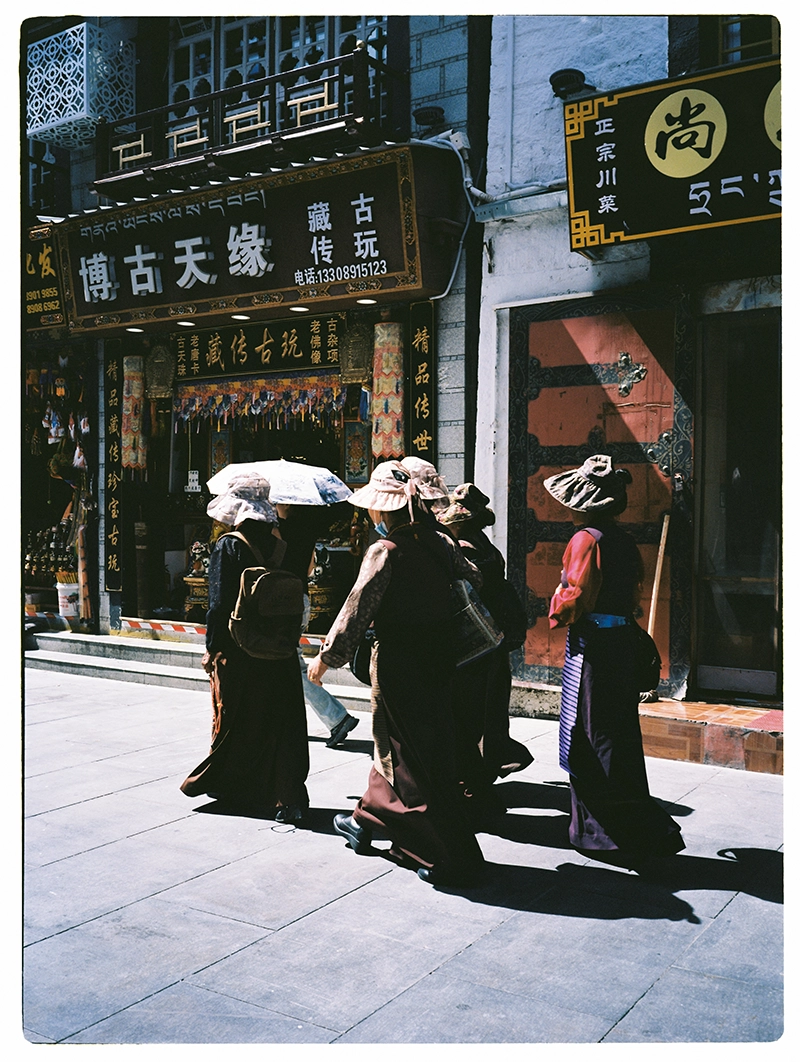
Street Scene in Tibet. 2025
Size: 60 × 80 cm
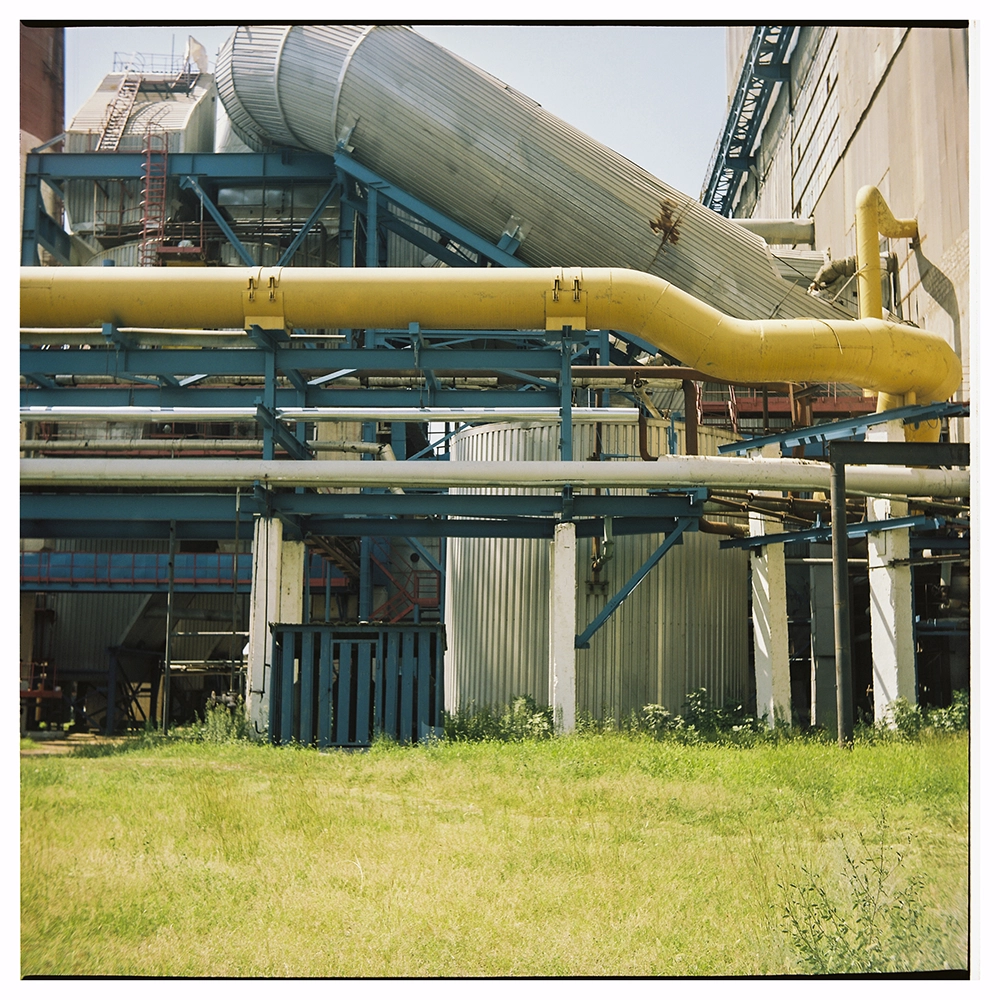
Energy Substation. 2024
Size: 60 × 60 cm
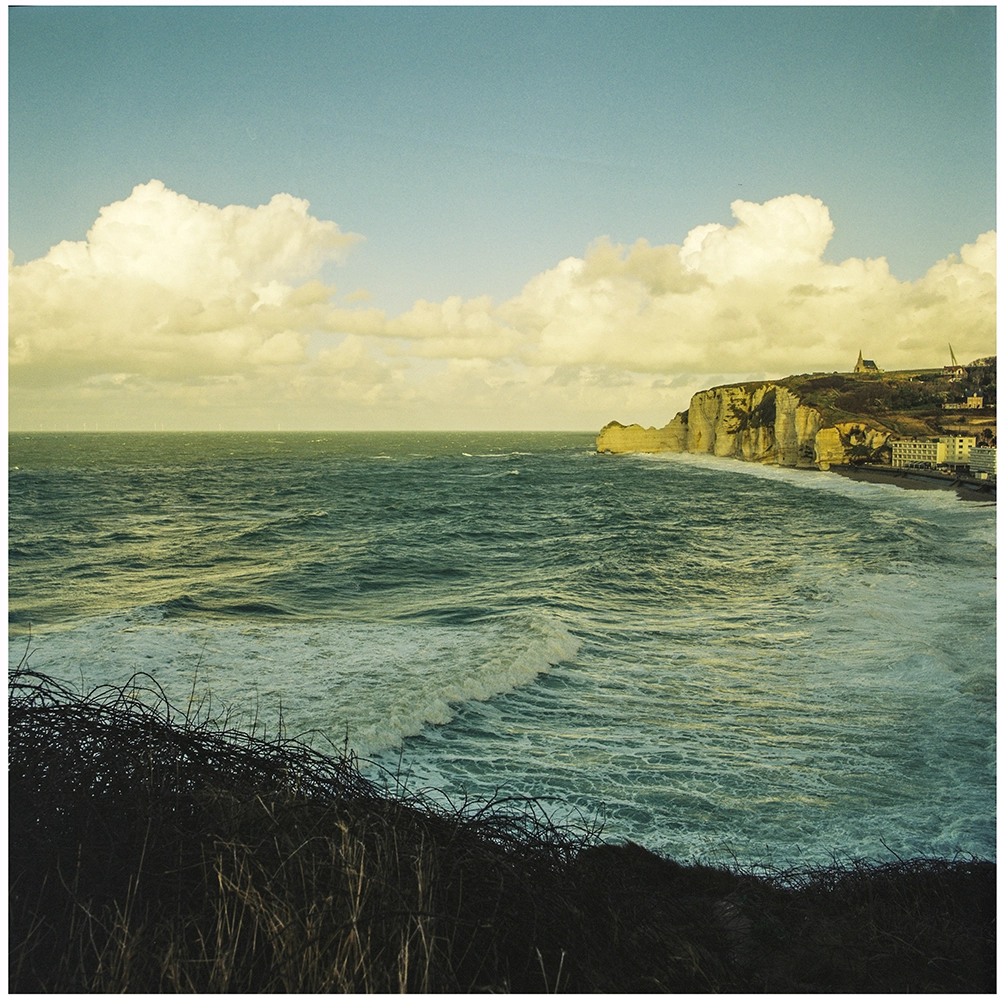
Silence in Étretat. 2025
Size: 60 × 60 cm
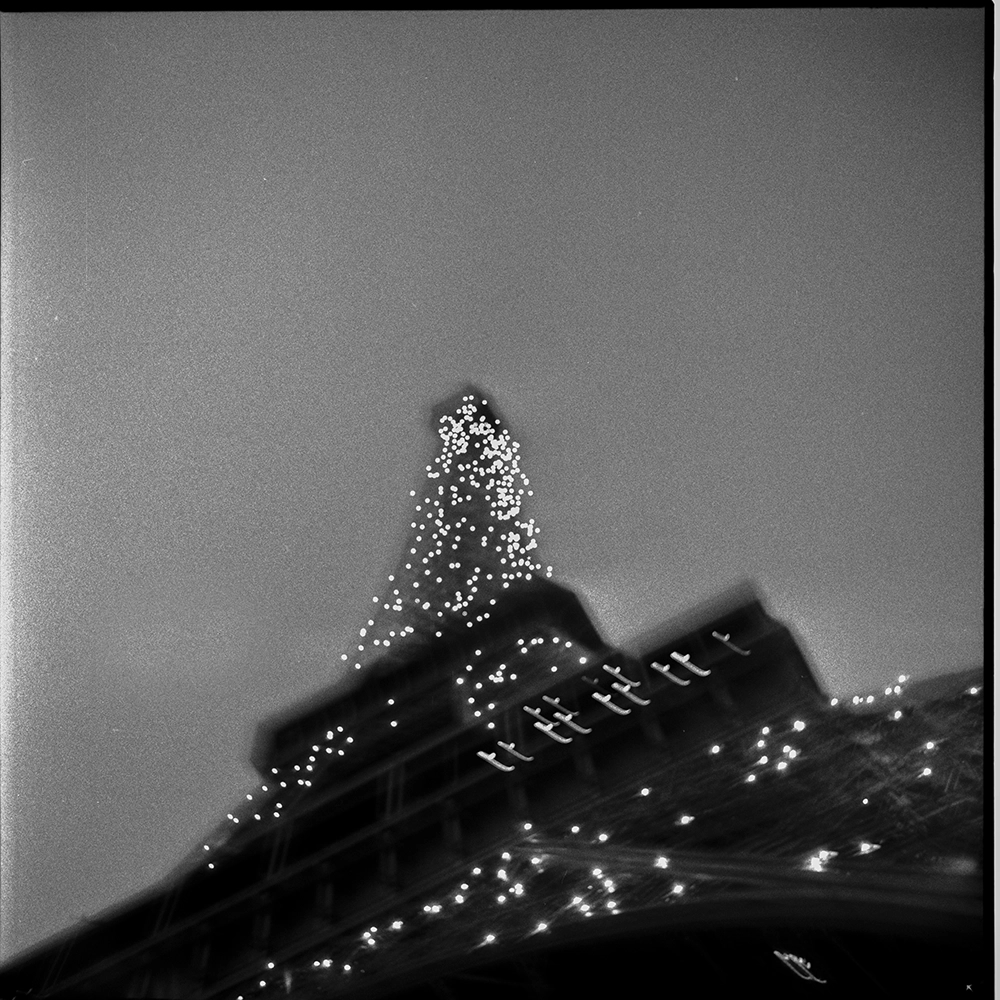
Almost Still, Almost Gone. 2019
Size: 60 × 60 cm
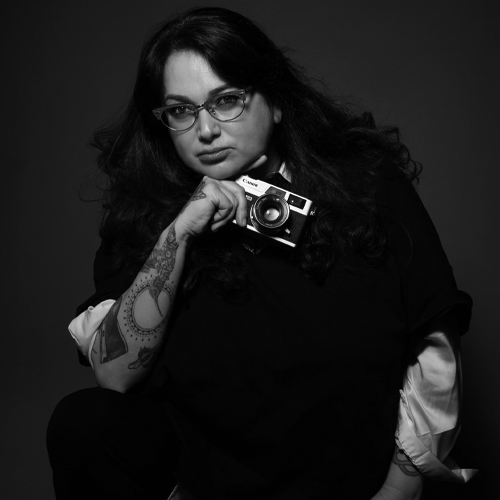
Leli Blagonravova (b. 1980)
Leli Blagonravova is a Georgian photographer based in Tbilisi. For nearly three decades she has worked across documentary and artistic photography, developing a visual language that balances observation with deeply personal reflection.
Blagonravova holds a Master’s degree in Journalism and Media Management from the Caucasus School of Journalism and Media Management (GIPA), which she completed in 2003. Earlier, she studied at the Tbilisi State Institute of Theatre and Cinema (1996-2001), graduating from the Department of Television and Cinema with a diploma in the History of Cinematography and Journalism.
Throughout her career she has worked at the intersection of photography, media, and public communication. She served in the Administration of the President of Georgia during two periods: first under Eduard Shevardnadze (1999-2002) and later under Giorgi Margvelashvili (2013-2018).
Blagonravova has collaborated with major international organizations as a freelance photographer, including UN Women (since 2011), UNICEF (since 2011), and United Nations Development Programme (since 2018). She has also worked in editorial photography, serving as Photo Editor for Cosmopolitan Georgia (2009-2010) and as Photographer and Photo Editor for Focus and Auto Build Georgia magazines (2011-2012).
Since 2005, Blagonravova has been a lecturer in photography at the Georgian Institute of Public Affairs (GIPA), where she teaches the next generation of photographers while continuing her independent artistic practice and international freelance work.
Artist Statement and Practice
Leli Blagonravova has been working in photography for almost thirty years. As she recalls, she first picked up a camera while still at school and quickly realized that photography was more than a simple hobby — it became an essential way of understanding the world.
“With photography I don’t capture only what I see — I capture what I feel. Every frame is an expression of my emotion, my mood, and my relationship with the world.”
For Blagonravova, photography is deeply personal. It is not merely a profession but a way of perceiving time, space, and one’s place within them.
Her work often operates between documentary observation and subjective interpretation. Many of her photographs are shot on 120 mm medium-format film, a process that slows down the act of seeing and requires careful attention.
“You cannot correct mistakes on film. What is done is done. If you miss the moment, it will not return. That is why you must pause, think, and find calm before pressing the shutter.”
This deliberate pace is central to her artistic method. It allows her to establish a more intimate relationship with the places and situations she photographs.
Travel plays an important role in Blagonravova’s work. She frequently photographs cities, industrial landscapes, architectural structures, and coastal environments. She is especially drawn to spaces where time becomes visible — where the past and the present coexist and where architecture and environment acquire a distinctive emotional character.